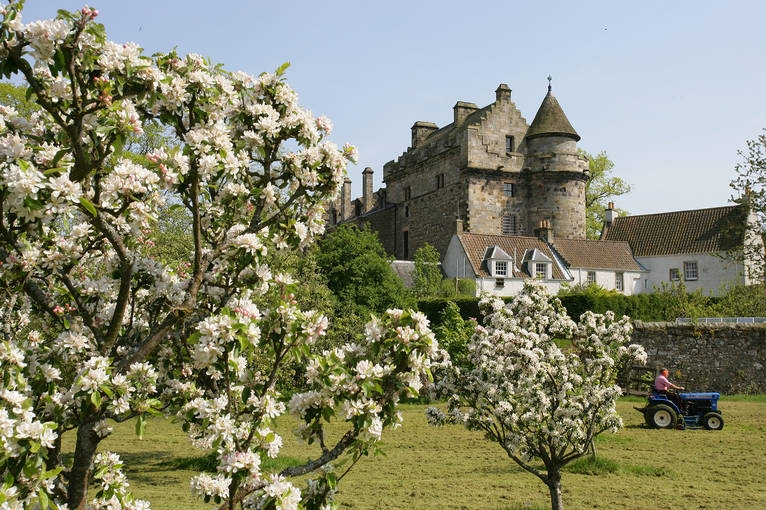
Falkland Palace, St Andrews (the old course) and Whiskey
On this Edinburgh day tour, we visit a magnificent 16th century Royal Palace, once a favourite retreat of the Stuart monarchs. Explore the delights of St Andrews old town and the world famous old course. Experience the ancient art of whiskey distilling on a guided tour of one of Scotland’s newest whiskey distilleries, or perhaps a tour of the newly opened Gin distillery. And wander through the charming cobbled streets and picturesque harbours of the Fife Coasts quaint fishing villages.
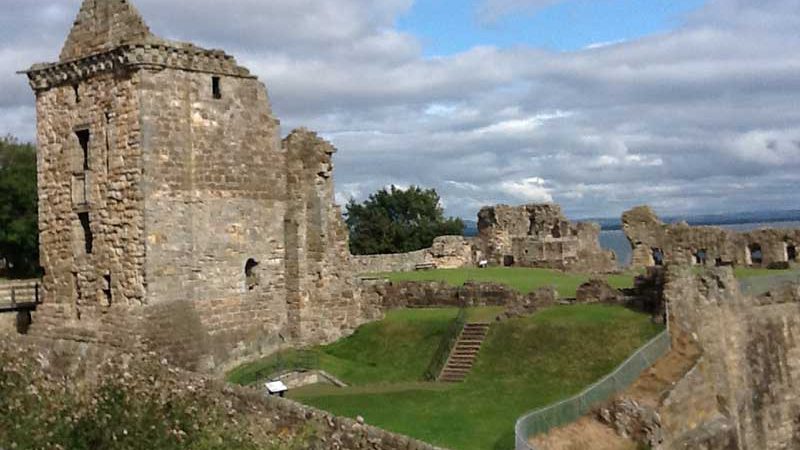
 St Andrews Castle
St Andrews and Whiskey Tour Highlights
- Dunfermline Abbey & Church
- Falkland Palace
- St Andrews
Falkland Palace, St Andrews and Whiskey Day Tour Itinerary
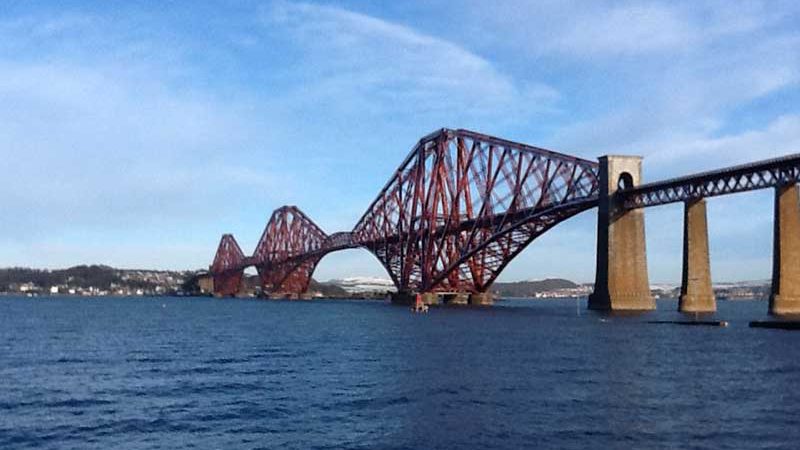
Leaving Edinburgh we journey north over the Forth Road Bridge, which gives us spectacular views of the iconic Victorian Forth Rail Bridge, completed in 1890 and regarded as one of the engineering wonders of the world.
As we travel through the Kingdom of Fife, we reach Falkland Palace, set in the heart of the picturesque village of Falkland, a favourite retreat for the Stuart monarchs including Mary Queen of Scots, who often stayed at the Palace after a days hunting or who knows maybe after a wee round of golf at St Andrew’s old course?.
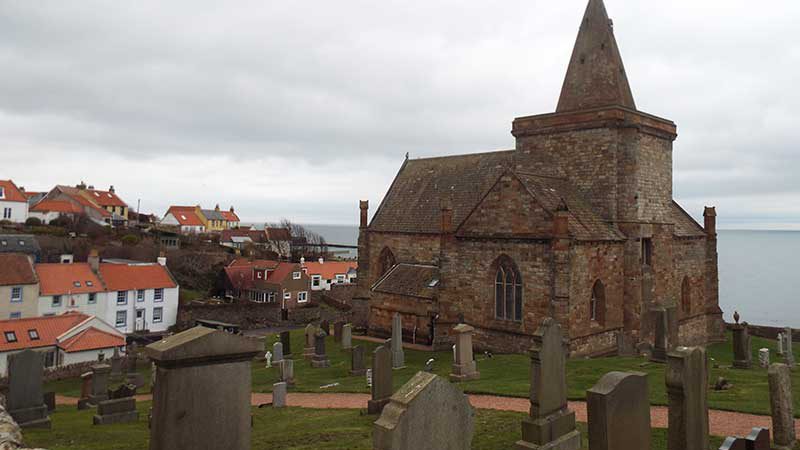
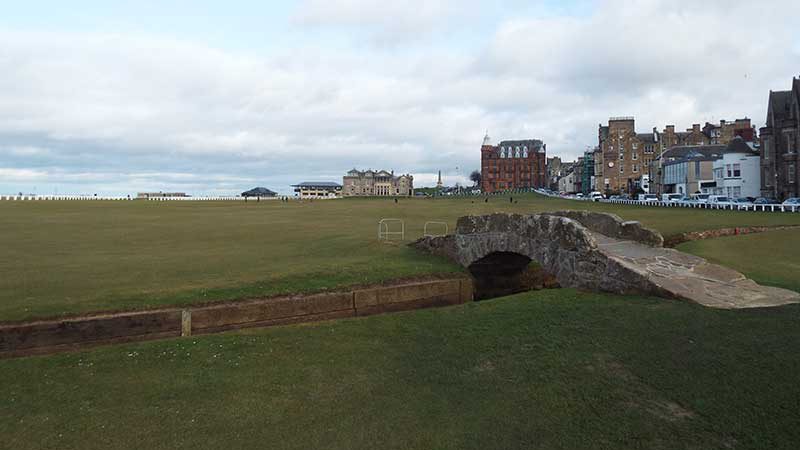
Continuing on we make our way to the historic town of St Andrews, home of the world famous old course where the game of golf has been played since the 15th century. Arriving at St Andrews you will have free time to explore the towns quaint cobbled streets, the impressive part-ruined castle and cathedral, and Scotland’s oldest university. Then for lunch enjoy some of the best fish and chips in Scotland. Before leaving St Andrews, we will visit the old course to take in the sights and to take that memorable photo standing on the iconic Swilken Bridge.
In the afternoon we leave St Andrews and travel along the scenic coastal road to Kingsbarns Whisky Distillery, for a guided tour and a tasting of one of Scotland’s newest distilleries. Or if whiskey is not your tipple, perhaps a tour of the newly opened Darnley’s Gin experience. ( booking essential for both whiskey & gin tours)
Leaving Kingsbarns we follow the scenic coastal road more commonly known as the East Neuk, ( old Scot’s word for corner) where we visit some charming fishing villages, picturesque harbours and winding cobbled streets. From here we make our way back to your accommodation where we sadly say our farewells.
View our other Edinburgh Day Tours